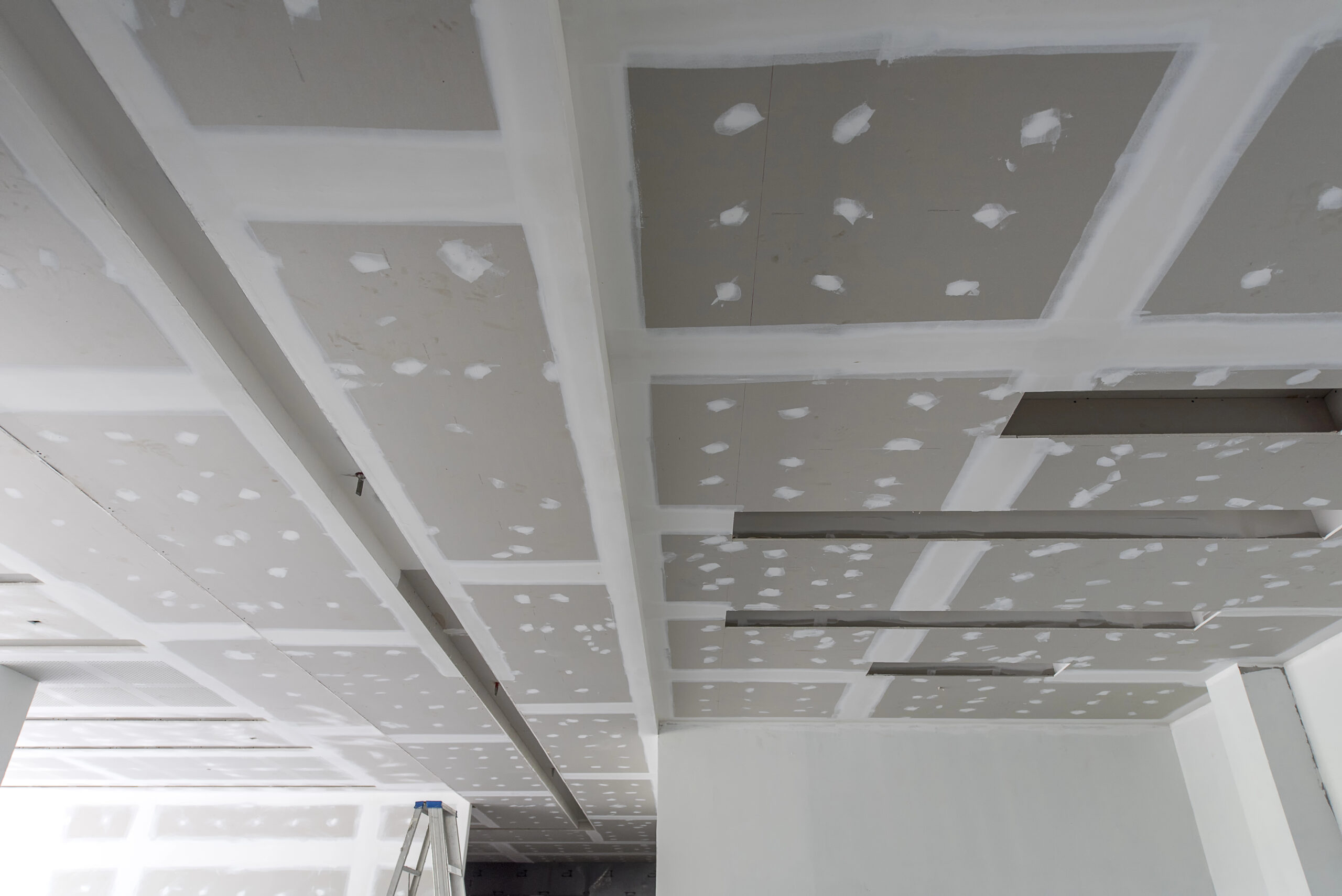
Australian Standards Explained
What “Compliant” Gyprock Ceiling Fixing Means
“Done properly” isn’t just a smooth finish — it’s correct fixing and realistic expectations. In Australia, AS/NZS 2589 is the key benchmark for installing and finishing plasterboard ceilings. Framing matters (bowed joists can create waves), and lighting matters too (glancing light can highlight minor variations). For the best result, fix ceilings using a recognised method, set the right finish level for the room, and make sure any leaks or moisture issues are addressed before repairs start.
Australian standards for fixing gyprock ceilings (and what “done properly” really means)
When people say “just chuck up some gyprock,” they’re usually thinking about the sheets only. In reality, a good ceiling comes down to three things: the standard you’re working to, the fixing method, and the finishing expectations. Get any of those wrong and you end up with the common problems—sagging, popping, visible joins, or arguments about “waves” that are really framing issues.
The key standard: AS/NZS 2589
In Australia, the main reference for installing and finishing gypsum linings (including gyprock ceilings) is AS/NZS 2589:2017 – Gypsum linings: Application and finishing. It sets out requirements and design considerations for application and finishing of gypsum linings. Standards Australia Store
You don’t need to memorise the standard to benefit from it—but you do want your installer following a recognised method that aligns with it.
Level of finish: what you should expect in a normal home
Most ceiling disputes aren’t about “strength,” they’re about what the ceiling looks like once painted.
In WA, the Guide to Standards and Tolerances 2019 makes it clear that, unless documented otherwise, a plasterboard finish is considered defective if Level 4 isn’t provided, and it states Level 4 is the default for gypsum linings. Western Australian Government
Plain English:
-
Level 4 is the normal residential standard for paint.
-
If you have critical lighting or want a more flawless look, you may need Level 5 (more on that below).
Glancing light: the most misunderstood ceiling “defect”
If a room has big windows, strong downlights, or light washing across the ceiling at a low angle, you can get “glancing light” effects—where minor variations become visible.
CSR Gyprock explains that under most lighting conditions a Level 4 surface will appear flat, but critical lighting can highlight surface variations (“glancing light”). Gyprock
CSR also notes Level 5 is strongly recommended where glancing light is likely (while also acknowledging it can’t eliminate every lighting effect). Gyprock
Why this matters for sellers and landlords: a ceiling can be “finished properly” yet still show minor variations under certain light. That’s not always a workmanship failure—it’s often lighting + finish level expectations.
Fixing method: why ceilings fail (especially in WA)
A ceiling isn’t just “attached”—it’s attached using an accepted fixing system. In WA, there’s been specific attention on ceiling collapses and what contributes to them.
WA Building Commission guidance on ceiling collapses notes that where a combined adhesive/fastener fixing method is used, AS/NZS 2589:2017 allows either “conventional spacing” or a “one third spacing” system, and it discusses adhesive application issues observed in collapses. Western Australian Government
Consumer Protection WA also highlights that poor adhesive application was a common factor identified in their findings. Consumer Protection
Practical takeaway: if you’re repairing or replacing a ceiling (especially after sagging), the fix isn’t just “more mud.” The fixing method and adhesive practice matter.
The part nobody wants to hear: framing controls how flat a ceiling can look
Even with perfect gyprock work, plasterboard follows what it’s fixed to. If the joists/trusses are bowed, you can end up with a ceiling that looks slightly wavy. That doesn’t automatically mean the sheeting was installed incorrectly—sometimes it’s the structure underneath.
This is also why it’s smart to set expectations up front, especially in older homes or homes with known movement.
Paint and finishing: why some ceilings look patchy after painting
A lot of “bad ceiling finish” complaints actually start at the paint stage. CSR points out that a Level 4 surface includes two different materials (paper face and joint compound) with different textures/porosity, and that using the right primer/sealer is important for a consistent finish. Gyprock
Translation: even a good plaster finish can look uneven if the paint system is wrong.
A simple checklist that prevents most disputes
If you’re a homeowner, seller, landlord, or builder—this is what you want clarified before work starts:
-
What finish level are we targeting? (Level 4 by default; Level 5 if lighting demands it) Western Australian Government+1
-
Is there critical/glancing light in this room? (big windows, raking light, strong downlights) Gyprock
-
Has any leak source been fixed? (don’t repair a ceiling while moisture is still active) Consumer Protection
-
Are we using a recognised fixing approach? (adhesive + fasteners done correctly, not rushed or “skinned over”) Western Australian Government
-
How will it be left—ready for paint, or painted as well? (and what paint system is recommended) Gyprock
TLDR:
Australian standards aren’t about making gyprock complicated—they exist to set clear expectations and avoid preventable failures and disputes. If you match the fixing method to accepted practice, specify the finish level properly, and account for lighting and framing reality, you end up with ceilings that look right and last.
Need a hand?
At Everything Property Perth, we specialize in renovations and home improvements that boost your property’s value. Whether you’re upgrading to sell or simply improving your space, we’re here to help bring your vision to life — efficiently, affordably, and with expert care.
👉 Get in touch today – and let’s make your home work harder for you.